





- EDITIONS:
 Spanish News Today
 Alicante Today
 Andalucia Today

PROPERTY SEARCH

PROPERTY SEARCH
Clocks go forward this Sunday 29th March 2026: All you need to know about daylight saving time
Spain is counting down to the start of daylight savings time later this month
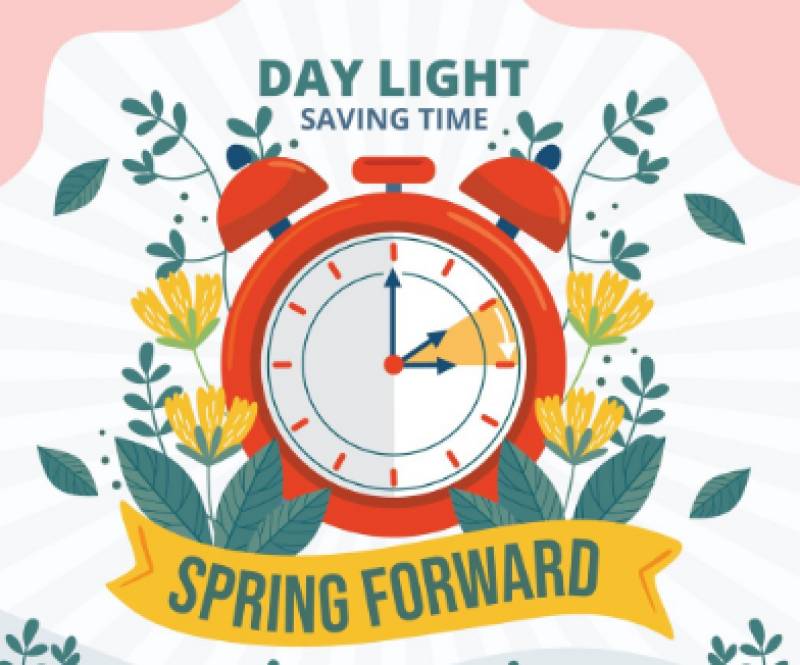
Just as we were getting used to the winter routine, the clocks are about to change once more. If you’ve found yourself wondering whether they go forward or back this month, don’t worry, you have plenty of company. The twice-yearly time change always causes a bit of head-scratching, particularly for expats who may also be keeping track of different times in their home countries.
Here’s what you need to know for the upcoming change in Spain.
The clocks are going forward, not back, this month. Daylight saving time officially begins in the early hours of Sunday March 29. In mainland Spain and the Balearic Islands, that means at 2am the time will jump forward to 3am. For those in the Canary Islands, the change happens at 1am, which then becomes 2am.
A handy way to remember which way to set the clocks is the old saying "spring forward, fall back." As we are heading into spring, forward it is.
This means the day will officially have just 23 hours, so you will lose an hour of sleep. However, the trade-off is that the evenings will gradually become lighter for longer as summer approaches.
The time change is applied simultaneously across all European Union member states, ensuring coordination for transport, cross-border trade and communications. It remains part of a long-standing EU directive designed to make better use of natural daylight during the warmer months.
For those with family or business contacts in the United States, it’s worth noting that America follows a completely different schedule. The US will begin daylight saving time weeks earlier on March 8, and will not revert to standard time until the first Sunday in November.
As for the future of daylight saving both in Spain and further afield, the debate over whether to abolish the seasonal time change has been going on for several years now. In 2018, the European Commission conducted a public consultation in which a significant majority of participants expressed support for ending the twice-yearly adjustment.
The Spanish government has acknowledged that the original energy-saving benefits are now limited and that the disruption to people's circadian rhythms can be an issue for some.
However, with no consensus among EU member states on whether to adopt permanent summer or winter time, any final decision has been delayed. For the time being, the current system remains in place, and those of us living in Spain will continue to adjust our clocks twice a year.
Image: Freepik