





- EDITIONS:
 Spanish News Today
 Alicante Today
 Andalucia Today

This neighbouring country is replacing black roads to beat the heat: Could Spain be next?
A new type of permeable surface is helping cool streets naturally, raising questions about whether Spain could benefit too
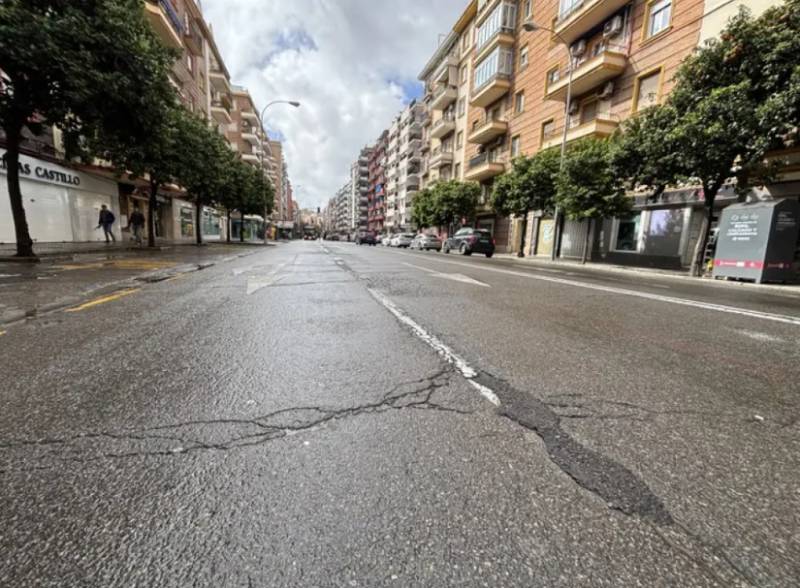
Spain's summers seem to get hotter every year, with prolonged heatwaves becoming the new normal across most of the country. As temperatures regularly climb above 40°C, cities face an extra challenge because roads, footpaths and buildings absorb the sun's heat during the day and release it slowly long after sunset.
Now, an innovative project in neighbouring Morocco is raising an interesting question. Could Spain one day replace traditional black asphalt with a new type of road surface designed to keep cities cooler?
The scheme is being introduced in Marrakech and Agadir, where conventional asphalt is being replaced with permeable paving that works very differently from the roads we're used to.
Instead of sending rainwater straight into drains, the porous surface allows it to soak into the ground beneath. The stored moisture then evaporates gradually, naturally cooling the surrounding area in much the same way perspiration cools the human body.
The new road surface also helps tackle another growing problem. By absorbing rainwater instead of allowing it to run straight into drainage systems, it reduces the risk of flooding during heavy downpours and helps replenish underground water reserves. During long dry spells, reclaimed water can even be used to keep the layers beneath the road damp so the cooling effect continues.
Early results have been encouraging. Streets covered with the new material are proving noticeably more comfortable during the hottest parts of the day, with nearby buildings also requiring less air conditioning.
But the big question is, could the same approach work in Spain?
In reality, the country has already begun exploring similar ideas, although on a much smaller scale.
In the Region of Murcia, the European-funded LIFE HEATLAND project has tested specially designed paving capable of reducing surface temperatures by as much as 15°C and lowering the surrounding air temperature by around 2°C.
Elsewhere, Barcelona has experimented with reflective road surfaces that absorb less solar heat, while Seville has been replacing darker paving with lighter materials, planting more trees and installing shade canopies to help cool public spaces.
Experts point out that there isn't a single solution to urban heat. What works in one city may not be the best option in another, depending on everything from street layout and building density to local climate and rainfall.
Even so, as Spain continues to experience longer, hotter summers, new approaches to urban design are becoming increasingly important. Cooler paving, more shade, additional green spaces and better water management are all likely to play a role in helping cities adapt.
Image: Ayuntamiento de Sevilla