





- EDITIONS:
 Spanish News Today
 Alicante Today
 Andalucia Today

PROPERTY SEARCH

PROPERTY SEARCH
Solar eclipse fever hits Spain but experts flag risks from sun, crowds and summer heat
Experts highlight simple precautions as Spain prepares for one of its most watched sky events in decades
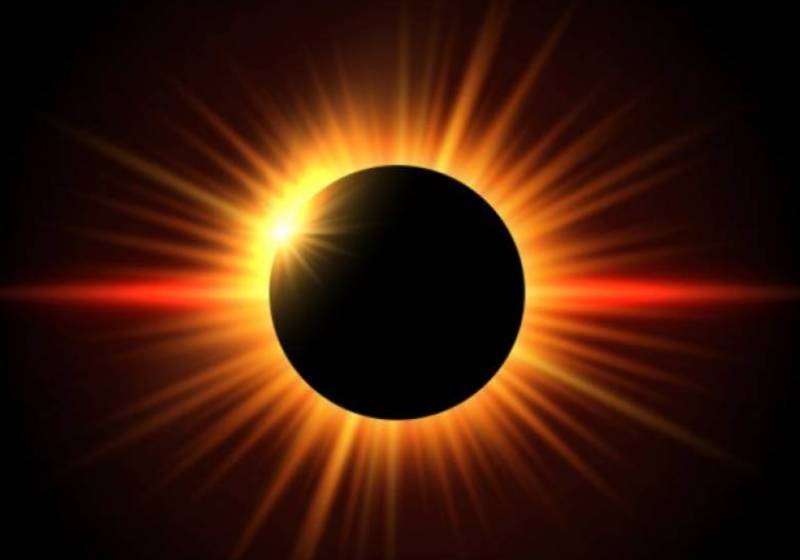
The upcoming total solar eclipse on August 12 is already building plenty of excitement across Spain, with many people planning trips to catch a glimpse of the rare event. Alongside the buzz, health authorities have also issued a reminder that while it’s an incredible spectacle, there are a few practical risks worth keeping in mind, particularly around eye safety and large gatherings.
The Ministry of Health, along with the Centre for Coordination of Health Alerts and Emergencies (CCAES), has explained that the overall risk is considered low and mainly linked to specific situations where people are exposed to strong sunlight without protection or where large crowds gather.
They pointed out that previous major eclipses abroad have drawn huge numbers of people, including the one in the United States in 2017 which was watched by a large share of the population, and expect similar levels of interest in Spain given how rare these events are on the mainland.
One of the main concerns is eye damage from looking at the sun without proper protection. Health experts warn that even brief exposure can affect vision and in some cases cause lasting damage, often without immediate pain, which is why it can go unnoticed at first. They stress that proper eclipse glasses or indirect viewing methods are essential for anyone planning to watch it directly.
Beyond eyesight, officials have also highlighted issues that can come with large crowds gathering in popular viewing spots such as beaches, countryside areas or scenic viewpoints. These include the spread of common respiratory illnesses, particularly when people are travelling from different regions, as well as the potential for infections that are passed on through close contact. They have also reminded people to check vaccinations are up to date where relevant and to take basic hygiene precautions when travelling.
Heat is another factor, especially as the eclipse falls in August when temperatures are high across much of Spain. Health services have warned that long periods outdoors can increase the risk of dehydration, heat exhaustion and sunburn, particularly if people are stationary for long stretches while waiting for the event. UV exposure remains a concern even outside the brief moment of total eclipse.
Authorities have also noted that insect-borne illnesses are more likely in rural or damp areas during the warmer months, so basic protection against mosquitoes and ticks is advisable if people are heading out into nature to watch the eclipse. In the same spirit of general caution, they mentioned that busy events can sometimes see increases in alcohol consumption, accidents or minor injuries, particularly when large numbers of people are moving through unfamiliar areas.
Food safety has also been mentioned, with many people expected to travel, picnic or spend long hours outdoors. In hot weather, improper storage of food can lead to stomach upsets, so keeping food cool and being mindful of what is eaten on the day is advised.
Finally, officials have gently reminded people that large gatherings can sometimes create situations where personal safety needs more attention than usual. They have encouraged people to stay aware of their surroundings, look out for friends and avoid risky behaviour in crowded spaces.
Overall, the message from health authorities is not one of alarm but of simple preparation. The eclipse is expected to be a major moment for Spain, especially as it will be one of a rare trio of eclipses visible over the coming years, and officials say a bit of forward planning will be enough to enjoy it safely without any issues.