





- EDITIONS:
 Spanish News Today
 Alicante Today
 Andalucia Today

PROPERTY SEARCH

Scientists warn loss of key fish species leaves the Mar Menor more vulnerable
The ongoing ecological problems affecting the Mar Menor are not only visible in the water, but they are also reducing the lagoon's ability to recover on its own
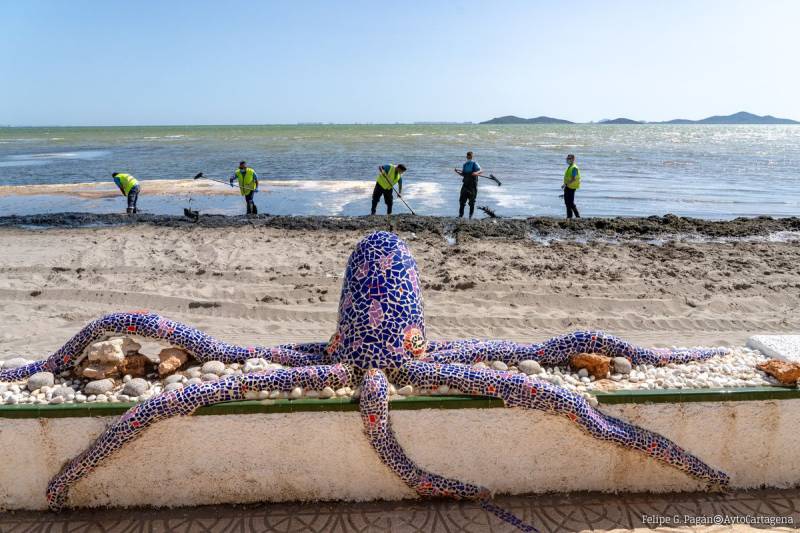
Researchers from the University of Murcia have found that changes in fish populations are weakening the natural processes that help keep the lagoon stable. Fish play an important role in maintaining water quality, from filtering nutrients, including those from agricultural fertilisers and wastewater or runoff after heavy rain, to feeding on organic matter that builds up on the seabed.
When the ecosystem is in good health, these processes help prevent problems from escalating. For example, during periods of 'sopa verde' (literally 'green soup', used to describe the rapid growth of algae), certain fish species feed on microalgae and help keep it under control.
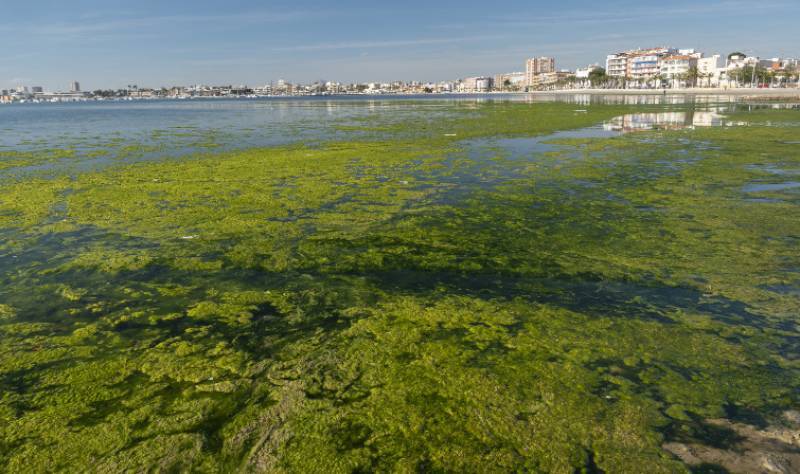 However, repeated episodes of eutrophication, where excess nutrients lead to algal growth, along with the mass die-offs recorded in 2019 and 2021, have had a lasting impact. Some species have declined sharply, while others have disappeared altogether.
This matters because not all fish perform the same role. Some species are highly specialised, carrying out specific functions that help regulate the ecosystem. As these species are lost, those functions are lost with them.
According to the researchers, the fish community in the Mar Menor is becoming more uniform, meaning there is less variety in the roles species perform. This makes the system more fragile. If one species is replaced by another that does not fulfil the same function, the balance of the lagoon is then affected.
Over time, this reduces what scientists describe as the lagoon's natural buffer. Species that once helped control algae, recycle nutrients, or even transport them out of the Mar Menor are no longer present in the same way. Without these processes, the risk of further algal blooms, low oxygen events and additional die-offs increases.
Researchers also warn that the threshold for these events is getting lower. It now takes less pressure for the Mar Menor to experience another episode of environmental problems.
There is a real need for long-term monitoring of marine life in the Mar Menor so we can understand how species and ecosystems respond over time and use these insights to develop effective conservation measures.
Images: Archive