





- EDITIONS:
 Spanish News Today
 Alicante Today
 Andalucia Today
PROPERTY SEARCH

PROPERTY SEARCH
Scientists in Spain join mission to protect Galápagos and Amazon wildlife
Valencia researchers will share their expertise to help safeguard endangered species in two of the planet's most unique ecosystems
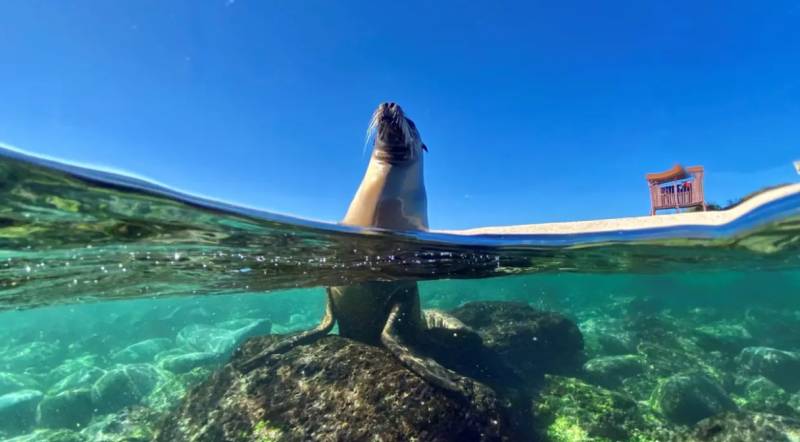
Spain is playing a key role in an ambitious international project to help protect some of the world's most iconic and endangered wildlife, from the Galápagos Islands to the Amazon rainforest.
The initiative brings together researchers from Valencia's Oceanogràfic, the University of Valencia, the Polytechnic University of Valencia and CEU Cardenal Herrera University with Ecuador's University of San Francisco de Quito through its innovation centre, Gaias Europa.
The partnership will focus on protecting wildlife, improving ecosystem health and helping scientists better understand the threats facing animals in two of the planet's richest natural environments.
"It's a very ambitious project," said Rafael Jordà, director of Gaias Europa.
"We're focusing on wildlife, but also on the people who live there and who play a vital role in protecting these ecosystems, which can sometimes be very fragile."
One of the project's main goals is to discover why certain species, including Galápagos sea lions and marine iguanas, are dying. Researchers have established a necropsy laboratory next to the Galápagos National Park, allowing them to investigate causes of death and identify emerging health risks.
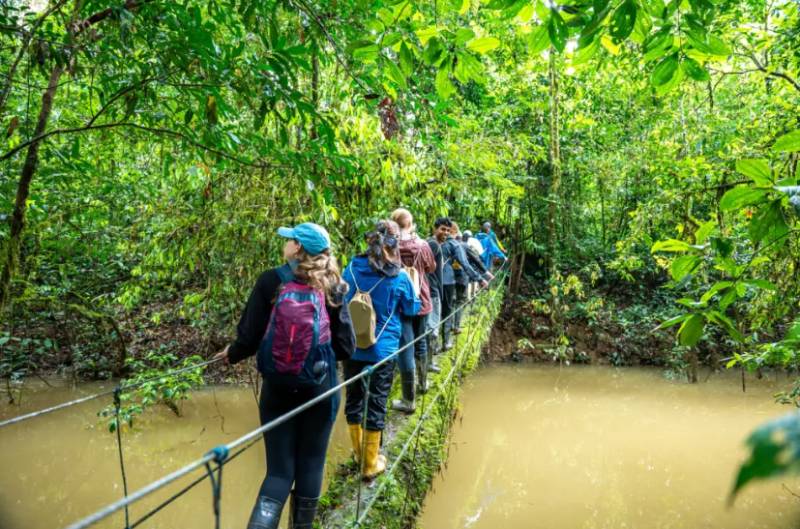 "If we discover that a species is dying because of patterns that could trigger a potential pandemic, the aim is to identify the problem early and take corrective action before it becomes more serious," Jordà explained.
The collaboration will also allow scientists from Valencia to spend time working at research stations in the Galápagos and the Amazon, while Ecuadorian researchers will join specialist teams in Valencia studying species including sea lions, iguanas and turtles.
Jordà said the partnership creates "a direct bridge" between Valencia and two of the world's most remarkable ecosystems.
"We're talking about the best-preserved archipelago in the world and one of the places on Earth with the greatest biodiversity per square metre," he said.
Researchers hope the exchange of knowledge will not only help protect endangered species in Ecuador but also improve understanding of conservation challenges closer to home, including those affecting the Mediterranean and the Albufera lagoon.
Images: Gaias Europa