







- EDITIONS:
 Spanish News Today
 Alicante Today
 Andalucia Today

PROPERTY SEARCH

Remains of extinct bear species found at the 900,000-year-old Cueva Negra site in Caravaca
The site contains some of the earliest evidence of the use of fire by hominids in Europe
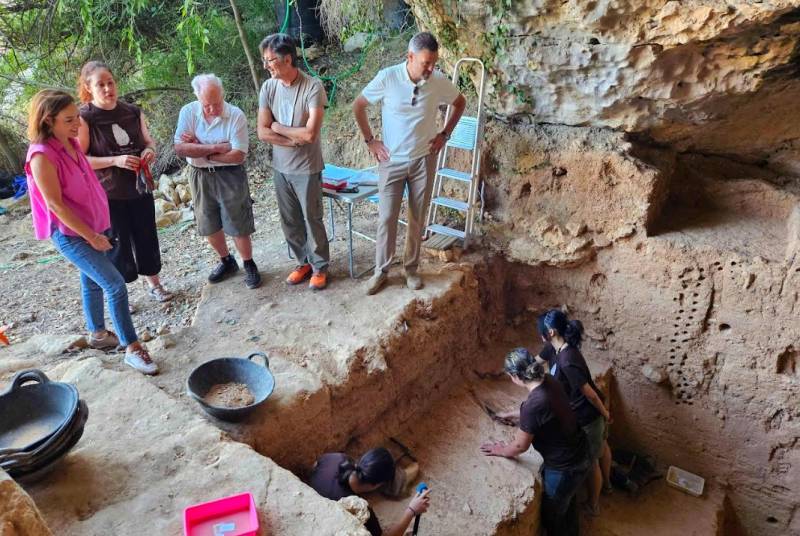 The 2026 palaeontological dig at the Cueva Negra site in the River Quípar gorge in the municipality of Caravaca de la Cruz has started this week and in just the first couple of days the participants have discovered the upper jawbone of an extinct species of bear which lived in the area hundreds of thousands of years ago.
The site of Cueva Negra contains one of the most complete records in modern-day Murcia of what the area was like between 800,000 and 900,000 years ago, during the Lower Palaeolithic, with a sequence of discoveries similar to that of the Gran Dolina in Atapuerca, in the northern Spanish province of Burgos. Leading investigations for many years has been Professor Michael J. Walker of the University of Murcia, and this year’s dig lasts until 15th July with the focus on further exploring the deepest recesses of the cave, where the remains of numerous extinct prehistoric mammals have been found.
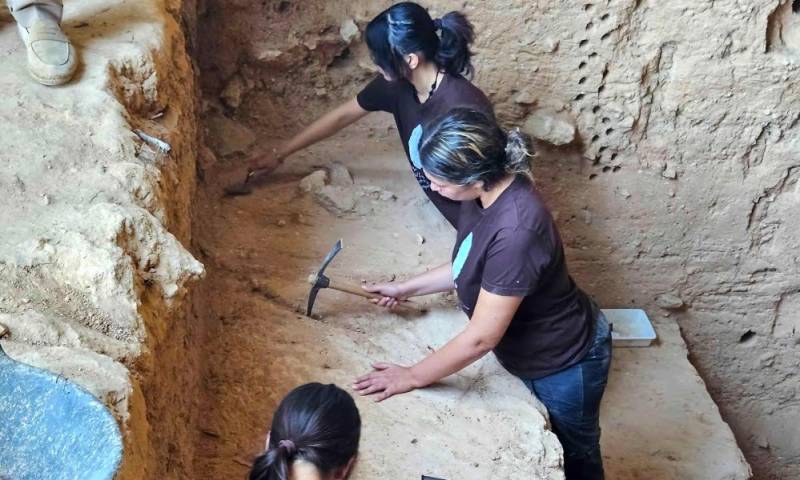 From the 1990s onwards thousands of remains have been found of mammals, reptiles, amphibians and birds, while among the most outstanding discoveries are evidence of the controlled fire by the distant ancestors of modern-day humans, as well as the use of stone tools. A stone axe is among the oldest artifacts ever found to date in the whole of Europe.
The site was visited on Tuesday 7th July by José Francisco García, the Mayor of Caravaca de la Cruz, backing up the support from the Town Hall which includes a grant of 10,000 euros per annual dig and the offer of the hostel of La Almudena for use by the research team.
Anyone who is interested should note that an open-doors day is being held on Sunday 12th July, when the investigators themselves will be showing the site to visitors at 10.30. The meeting point is the access road to the site from the village of La Encarnación.
For more local news, events and visiting information contact the local tourist office (telephone 968 702424) or go to the home page of Caravaca Today.