





- EDITIONS:
 Spanish News Today
 Alicante Today
 Andalucia Today

PROPERTY SEARCH



Black pine reforestation programme announced in the mountains of Jumilla
Efforts to regenerate the pine forests above the vineyards in the Regional Park of Sierra del Carche
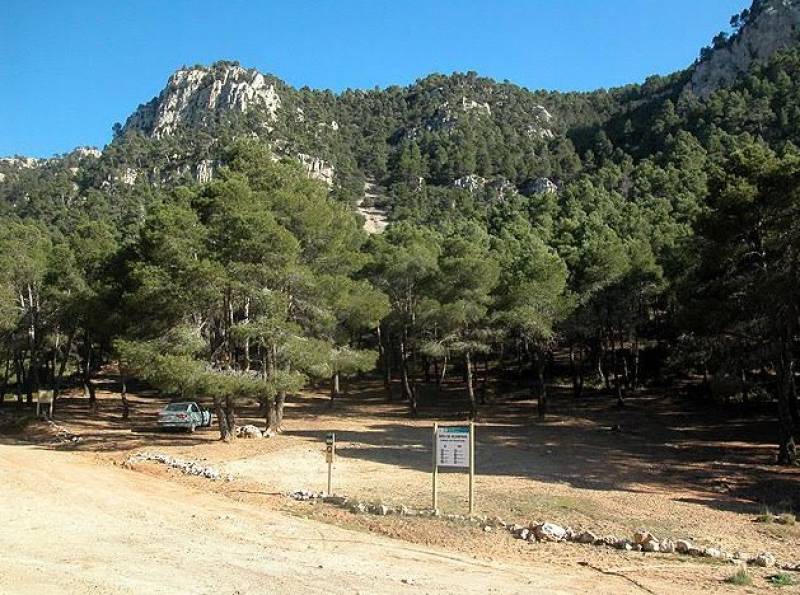 The regional environmental protection authorities of Murcia have unveiled a project to regenerate the population of Pinus nigra (black pine or Austrian pine) trees in the Regional Park of Sierra del Carche, which lies in the northern municipalities of Jumilla and, to a lesser degree, Yecla, consisting of the planting of 339 new trees and measures to help them reach adulthood.
The project is set to take place over an area of 8.52 hectares, and also includes the watering of each sapling with 10 litres of water as well as vigilance and monitoring of the trees’ development. It is anticipated that the action will last for 11 months.
The Sierra del Carche
The regional park of Sierra del Carche occupies a total area of almost 6,000 hectares and includes the Cabezo de la Rosa – a saline diapir of great geological interest – and deep ravines such as those of San Cristóbal, La Guarafía and La Yedra, which in times of heavy rainfall feature waterfalls at El Saltador.
As well as a native fauna including Aleppo and maritime pines, holm oaks, juniper, strawberry trees, esparto grass and lavender, the area’s fauna features birds of prey such as the golden and booted eagles, eagle owls and peregrine falcons. Also present are foxes, badgers and boar, the commonest carnivorous mammals in the local ecosystem.
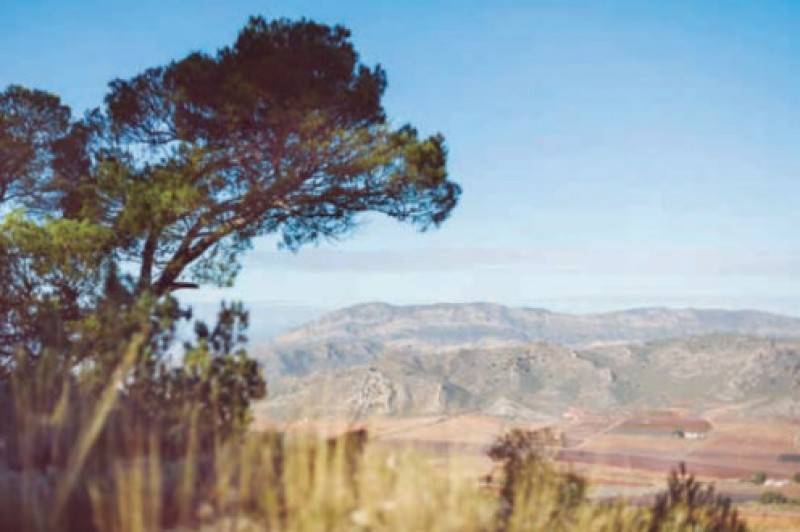 The highest peak in the range, the Madama del Carche, reaches an altitude of 1,372 metres above sea level, and the landscape features also include the picturesque ravine known as Barranco de la Guarafia, the pine forest of the Umbría del Revolcador and the rocky escarpment of Peña del Castelar, offering splendid views. This is a popular destination for hikers, and the locations to head for include the Barranco de San Cristobal (rocky escarpments and dense vegetation), the spectacular rock deposits of La Pedriza, the south-facing Solana de La Alberquilla, the fossil site of “La Curiosa” and the natural spring of La Sanguijuela, which has been used for crop cultivation and human consumption for centuries and, possibly, millennia.
There is evidence of Man having inhabited the mountains from around 5,000 years ago, with Late Stone Age materials having been found at the cave of La Peña del Castelar, and in the Bronze Age (1900-600 BC) there were at least three fortified settlements. (Romania, near Las Pansas, Castillicos del Salero and Solana de los Granaicos.
Iberian sites dating from between 600 and 200 BC have also been found and the remains of Roman villas and aqueducts can be seen at La Graya, Karxa de los Estanquicos and Karxa del Balsón.
These days, the lower slopes are one of the most important grape-growing areas of the large municipality of Jumilla, with vineyards dominating the area.
For more local news, events and visiting information please contact the tourist office (telephone 968 780237, email oficinaturismo@jumilla.org) or go to the home page of Jumilla Today.